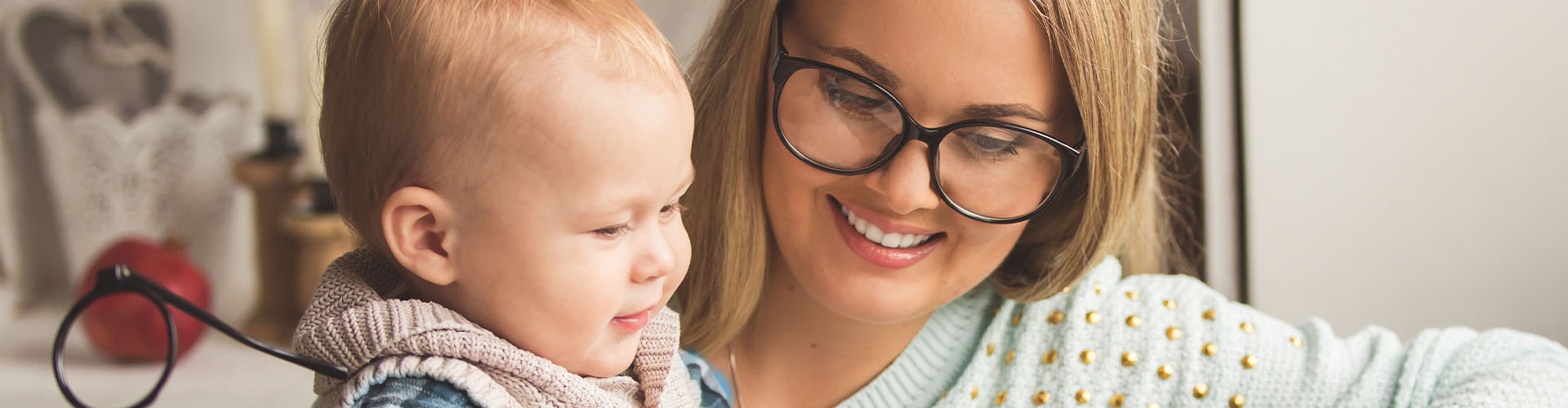
Success Begins with Sight
More and more American kids are developing myopia — but we’re here to help.
Myopia, also known as nearsightedness, is a common condition that makes distant objects appear out-of-focus while everything up-close stays clear. It typically develops during childhood, and can increase the risk of other eye concerns later in life
If you want to help protect your kid’s vision, we can use myopia control techniques to slow its progression. During an eye exam, we can help you decide the best type of myopia control for your child and their needs.
The earlier we begin controlling myopia, the more effective it can be. Get started today and book an appointment with us!
There is no cure for myopia, but we can slow or stop it’s progression with treatment and make things a little easier for your child. Here is a list of just a few treatment options!
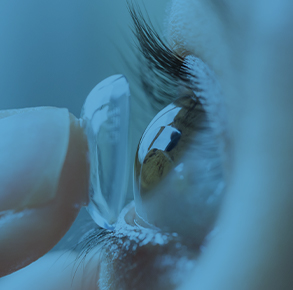
Specialty Soft Contact Lenses
Soft contact are available in a wide range of lenses. From standard, readymade lenses to extended range lenses and numerous daily disposable contact lenses, we’ve got something for every patients needs.
orthokeratology
Orthokeratology, or ortho-k, is the use of specially contact lenses to reshape the cornea in order to improve vision. Similar to braces, but for your eyes, the treatment is often compared to Orthodontistry. Ortho-k lenses are most often worn at night, and help to reshape the front surface of the eye while you sleep. Vision improvements are reversible but can be maintained if you keep wearing the lenses as directed.
Atropine medicated eye drops
Atropine medicated eye drops have many uses, including dilation of the pupil before eye exams, and the treatment of common eye conditions like amblyopia (lazy eyes), cycloplegia, and myopia. No matter the aliment Bluebird Vision and Wellness has the expertise, to get your eye sight back on track!
Why Myopia Control Matters
Having proper eyesight is crucial for learning. Imagine kids struggling to see the board or trying to read and write through squinted eyes—not much fun, right? But there's more to it.
When children can't see well, they might be slow to develop social behaviors or get misdiagnosed with behavioral problems. Even their language and speech development can be impacted by myopia.
Severe myopia can also increase the risk of serious eye problems, so taking care of kids' eyesight is vital for their well-being in the long run.
With early identification and proper care, we can control the condition and preserve your child’s vision.
Book your child’s appointment today!
Book Appointment

Causes of Myopia
While the exact cause of myopia is unclear, it can be hereditary or related to spending too much time indoors focused on near work or screens. But here's the good news: studies show that spending time outdoors could help slow its progression in kids.
Book an appointment for your child today and learn more about our myopia control options.
Book AppointmentFrequently Asked Questions About Myopia
What is myopia?
Myopia, also known as nearsightedness, is a common vision condition that makes distant objects appear blurry while close-up objects stay clear. It happens when the eye grows slightly too long from front to back, so light focuses just short of the retina. Our myopia control program focuses on helping children manage nearsightedness and slow its progression over time.
What causes myopia?
Myopia can be hereditary — a child with two nearsighted parents is at noticeably higher risk — but it’s also linked to spending a lot of time indoors doing near work or using screens. Time spent outdoors appears to be protective, and increasing it is one of the simplest things families can do to help slow progression.
What are the signs of myopia in children?
Look for squinting, trouble seeing the board at school, sitting close to screens, holding books close to the face, or complaints about blurry distance vision. Children often don’t report these problems themselves, because they assume everyone sees the way they do. Clear sight matters for learning, development, and day-to-day comfort, so it’s worth acting on what you notice.
Can myopia get worse over time?
Yes. Myopia usually develops in childhood and tends to progress as children grow, often continuing through the teenage years before stabilizing. That’s why we offer myopia control options designed to slow or stop progression rather than simply updating the prescription each year.
How is myopia diagnosed?
Myopia is diagnosed during a comprehensive eye exam. We’ll assess your child’s vision, track changes against previous visits, and help determine which type of myopia control fits their needs. Regular exams matter here, since the rate of change over time tells us more than any single measurement.
What myopia control options do you offer?
We offer several options, including specialty soft contact lenses, orthokeratology, and atropine medicated eye drops. We’ll recommend an approach based on your child’s vision, age, lifestyle, and how quickly their prescription has been changing.
What is orthokeratology?
Orthokeratology, or ortho-k, uses specially designed contact lenses worn overnight to gently reshape the front surface of the eye. Your child takes them out in the morning and sees clearly through the day without glasses or contacts. We offer ortho-k as a myopia control option that improves daytime vision while supporting long-term myopia management.
Can atropine eye drops help with myopia?
Yes. Low-dose atropine drops can be used as part of a myopia control plan, typically applied at bedtime. They’re a good fit for children who aren’t ready to handle contact lenses, and they can be combined with other approaches. We include atropine as one of our treatment options for children with progressing myopia.
Why is myopia control important?
Higher levels of myopia carry increased lifetime risk of serious eye conditions, including retinal detachment, glaucoma, and myopic macular degeneration. Slowing progression during childhood means a lower final prescription and lower risk as an adult. That’s why we focus on early identification and proper care rather than waiting to see how far it goes.
When should my child start myopia control?
The earlier it begins, the more effective it tends to be — progression is fastest in younger children, so that’s when there’s most to protect. If your child is showing signs of nearsightedness or has already been diagnosed with myopia, book an eye exam and we’ll walk you through the options. Call our Blackfoot office at 208-785-7274.
Come Visit Us
Find us just across the street from Jensen Grove Park just off North Meridian Street.

Our Address
- 720 North Meridian Street, Suite A
- Blackfoot, Idaho 83221
Contact Information
- Phone: 208-785-7274
- Text: 208-785-7274
- Email: [email protected]
Hours of Operation
- Monday: 8:00 AM – 5:00 PM
- Tuesday: 8:00 AM – 5:00 PM
- Wednesday: 9:00 AM – 5:00 PM
- Thursday: 8:00 AM – 5:00 PM
- Friday: 8:00 AM – 1:00 PM
- Saturday: Closed
- Sunday: Closed


Our Brands




Our Google Reviews


-
Bluebird Vision + Wellness
- 720 North Meridian Street, Suite A
- Blackfoot, Idaho 83221
-
P: 208-785-7274
[email protected]